
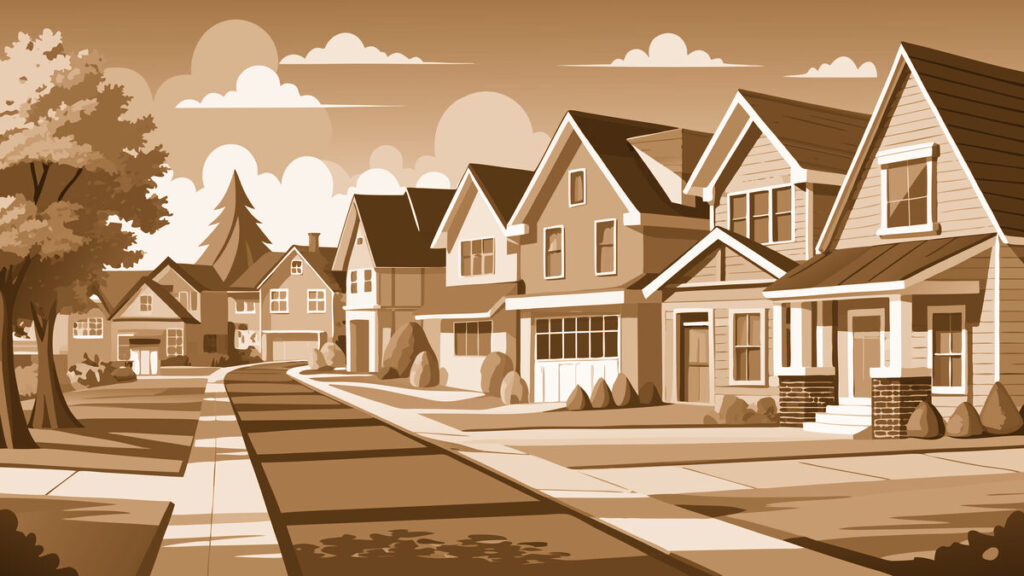
Nestled on the western edge of vibrant Miramar, Miramar West Estates is a neighborhood that seamlessly blends its storied history with a thriving present. For longtime residents and newcomers alike, the area holds a special sense of community, pride, and heritage that’s woven into every street and park. From its early beginnings to the carefully planned greenspaces like Miramar Regional Park, Miramar West Estates stands as a testament to the city’s resilience, growth, and the diverse tapestry of people that call it home.
The Origins: From Farmland to Flourishing Community
Miramar’s story began in the 1950s, when it was first envisioned as a “bedroom community” for families seeking peaceful suburban life outside the metropolitan bustle of Miami and Fort Lauderdale. But it wasn’t until the late 1980s and early 1990s that western parts of the city, including what would become Miramar West Estates, began to take shape.
Back then, the land that now thrives as a family-friendly neighborhood was mostly quiet pasture and agricultural tracts. Developers saw the promise of this area, drawn by its proximity to major highways like the Florida Turnpike and I-75. West Miramar, with its open landscape and breezy ambiance, was the next frontier for families seeking new homes, safety, and access to top-notch schools.
What’s in a Name? The Meaning Behind “Miramar West Estates”
The name “Miramar” carries a poetic origin: it’s Spanish for “sea view,” though the city itself lies several miles from the Atlantic. Early developers hoped to instill a sense of openness and brightness—an invitation to dream under wide sunny skies.
The “West Estates” addition reflected a new era of growth as Miramar expanded westward. Incorporating “Estates” signified larger lots, elegant homes, and a step up in suburban living. Over time, Miramar West Estates came to represent not just modern housing but the fulfillment of families’ aspirations for comfort, community, and a high quality of life.
Key Historical Milestones
- 1990s Housing Boom: The establishment of Miramar West Estates coincided with a sharp increase in residential development. Streets like SW 164th Avenue, SW 34th Street, and others saw carefully planned layouts with cul-de-sacs and lush lawns, setting the tone for a family-oriented neighborhood.
- Miramar Regional Park Opens (2000s): The creation of Miramar Regional Park, just south of Sherman Circle, was a milestone for westside residents. This expansive park became the beating heart of the area, offering everything from soccer fields to picnic pavilions and miles of walking trails.
- Educational Excellence: With the founding of Silver Shores Elementary and Glades Middle School nearby, families flocked to Miramar West Estates, drawn by the promise of strong neighborhood schools and youth programs.
- Cultural Celebrations: Over the years, residents of all backgrounds have gathered in neighborhood parks for festivals, food truck nights, cultural parades, and annual celebrations—roots that have grown deeper even as the neighborhood welcomes new faces.
Notable Landmarks and Institutions
Though Miramar West Estates is primarily residential, several landmarks and public spaces anchor its unique identity:
- Miramar Regional Park: Spanning 173 acres, this park is the centerpiece of outdoor life. Residents jog around its lakes, attend summer concerts at the amphitheater, and gather for fireworks during city festivals.
- Sunset Lakes Community Center: On the neighborhood’s western edge, Sunset Lakes serves as a hub for family fun with pools, tennis courts, and club events, even though it’s technically adjacent to Miramar West Estates.
- Streets with Character: Meandering boulevards like SW 165th Avenue and SW 36th Court are lined with mature palms and welcoming homes, reflecting decades of careful landscaping and a pride of ownership that’s visible on every block.
Neighborhood Evolution: Growth Without Losing Heart
The biggest testament to Miramar West Estates’ legacy is its graceful evolution. Where there was once only pasture, a diverse and vibrant community now thrives. Over the years, the homes have grown more modern, with residents updating landscaping, kitchens, and playgrounds to keep up with the times—yet the essential character remains intact.
- Diversity and Inclusion: Today, Miramar West Estates is home to families from all over the world, echoing Miramar’s broader multicultural tapestry. Walk through the neighborhood and you’ll hear a symphony of languages, from Spanish to Creole and beyond.
- Safety and Community Initiatives: Residents participate actively in local homeowner associations (HOAs), neighborhood watch programs, and regular town halls, reinforcing a long tradition of looking out for one another.
- Sustainability Efforts: Many homes have embraced eco-friendly upgrades—solar panels, xeriscaping, and recycling programs—showcasing the community’s commitment to the future.
A Neighborhood That Keeps Giving
Ask anyone who’s spent time in Miramar West Estates, and you’ll hear stories not just of beautifully kept homes, but of neighbors who become friends, of parks alive with weekend laughter, and of a community where heritage is honored while new traditions are always welcome.
- Annual Events: Holiday light contests, spring cleanups, and block parties bring generations together year after year.
- Public Art and Beautification: Residents and the city frequently collaborate on mural projects and garden clubs, adding splashes of color and life to public spaces.
Conclusion: Miramar West Estates—Yesterday, Today, Tomorrow
Miramar West Estates stands as more than a collection of houses; it’s a living, breathing symbol of growth, resilience, and the enduring power of community. With its roots steeped in history and its future shining bright, the neighborhood continues to beckon families ready to write their own stories here for years to come. Whether you’re strolling down SW 34th Street at sunset or cheering on a little league game in Miramar Regional Park, there’s no place quite like Miramar West Estates—a place where every day, history and heart go hand in hand.